That glass jar from last night’s pasta sauce is sitting on your counter, destined for the recycling bin. The worn-out ladder-back chair you hauled to the curb still has good bones, even if the finish is scratched beyond recognition. Before you toss that stack of old magazines or those mismatched vintage teacups, consider this: what looks like trash to most people is actually a goldmine of creative potential. Upcycling transforms discarded items into functional, beautiful pieces that tell a story while keeping materials out of landfills.
The upcycling movement has exploded beyond Pinterest boards and craft blogs into a legitimate lifestyle approach that combines creativity, sustainability, and serious cost savings. Whether you’re looking to refresh your space on a budget or reduce your environmental footprint, simple DIY projects using materials you already own can completely transform your home. This isn’t about slapping paint on everything or creating kitschy crafts that end up in the donation pile six months later. It’s about seeing the hidden potential in everyday objects and reimagining their purpose with intention and style.
Why Upcycling Matters More Than Ever
The average American generates about 4.5 pounds of trash daily, with a significant portion being items that could easily find new life. When you choose to upcycle instead of discard, you’re not just saving money or creating something unique. You’re actively participating in a circular economy that challenges our throwaway culture. Unlike recycling, which breaks materials down to their base components (using energy and resources in the process), upcycling adds value to existing items without intensive processing.
Beyond the environmental benefits, upcycling offers something increasingly rare in our mass-produced world: absolute uniqueness. That coffee table you create from reclaimed barn wood or the planter you fashion from vintage enamelware will never exist anywhere else. You’re not just decorating your space; you’re curating it with pieces that reflect your creativity and values. Plus, the satisfaction of pointing to something in your home and saying “I made that from materials headed for the dump” never gets old.
The financial aspect shouldn’t be overlooked either. Home decor prices have skyrocketed, with a single statement piece easily costing hundreds of dollars. Upcycling flips this equation entirely. You might spend $15 on supplies to transform a $5 thrift store find into something that rivals pieces selling for $200 at boutique furniture stores. Once you start seeing potential instead of trash, your decorating budget stretches exponentially further.
Getting Started: The Upcycler’s Mindset
The first step in successful upcycling isn’t learning a specific technique or buying supplies. It’s developing what experienced upcyclers call “the eye” – the ability to look at discarded items and see beyond their current state. That dented metal colander isn’t just kitchen trash; it’s a quirky hanging planter waiting to happen. Those mismatched wooden crates stacked in an alley could become a modular shelving system that puts expensive storage solutions to shame.
Start by examining items you’re about to throw away with fresh eyes. Ask yourself three questions: What is this made of? What shapes or components does it have? What function could it serve beyond its original purpose? A wooden ladder missing rungs becomes a blanket rack or towel display. Wine corks transform into bulletin boards, coasters, or even decorative wall art. Glass bottles turn into vases, soap dispensers, or pendant lights. According to creative upcycling enthusiasts, the possibilities multiply once you train yourself to see materials rather than garbage.
Building an upcycling toolkit doesn’t require major investment. Basic supplies like sandpaper, paintbrushes, wood glue, and a handful of reliable paint colors will handle most projects. Add a few specialized items as you discover your preferred upcycling style – upholstery tools if you’re drawn to furniture refinishing, or precision cutting tools if you lean toward glass and metal projects. The beauty of upcycling is that it meets you where you are, skill-wise and budget-wise.
Furniture Transformation: Beyond Basic Paint Jobs
Furniture upcycling represents one of the most impactful ways to practice this craft. A solid wood dresser from the 1960s might look dated with its orange-toned finish and chunky hardware, but the construction quality likely surpasses anything you’ll find in today’s budget furniture stores. Strip away that finish, add modern hardware, and perhaps replace the top with a marble remnant from a home improvement store’s discount section, and you’ve created a piece that looks custom-designed.
The key to furniture upcycling is recognizing good bones. Look for solid wood construction, dovetail joints in drawers, and sturdy frames. Surface damage matters far less than structural integrity. Scratches sand out, dated finishes strip away, and broken hardware swaps easily. What you can’t fix easily is particle board construction or fundamentally unsound joinery. Thrift stores, estate sales, and curbside pickups offer endless furniture candidates, often for pennies on the dollar compared to new pieces.
Don’t limit yourself to obvious furniture applications either. An old door becomes a headboard or desktop. Vintage suitcases stack into side tables with built-in storage. Window frames transform into mirrors, photo displays, or even greenhouse-style terrariums. These unconventional approaches often create the most striking pieces, turning everyday trash into eco-friendly treasures that serve as conversation starters while keeping materials out of landfills.
Techniques That Elevate Results
Surface preparation separates amateur upcycling attempts from professional-looking results. Skipping the cleaning, sanding, and priming steps might save an hour, but it guarantees paint that chips, finishes that don’t adhere, and projects that look homemade in the worst way. Invest time in proper prep work. Remove all hardware, clean surfaces thoroughly with TSP or a degreaser, sand to create tooth for paint adhesion, and apply appropriate primer for your surface type.
Paint selection dramatically impacts durability and appearance. Chalk paint has gained massive popularity in upcycling circles for good reason – it requires minimal prep, adheres to almost anything, and creates that desirable matte finish. However, it’s not always the best choice. For high-traffic furniture or surfaces exposed to moisture, traditional latex or oil-based paints with proper primer offer better longevity. Understanding when to use each type elevates your results from “craft project” to “custom furniture.”
Container Gardens and Planters: Growing in Unexpected Places
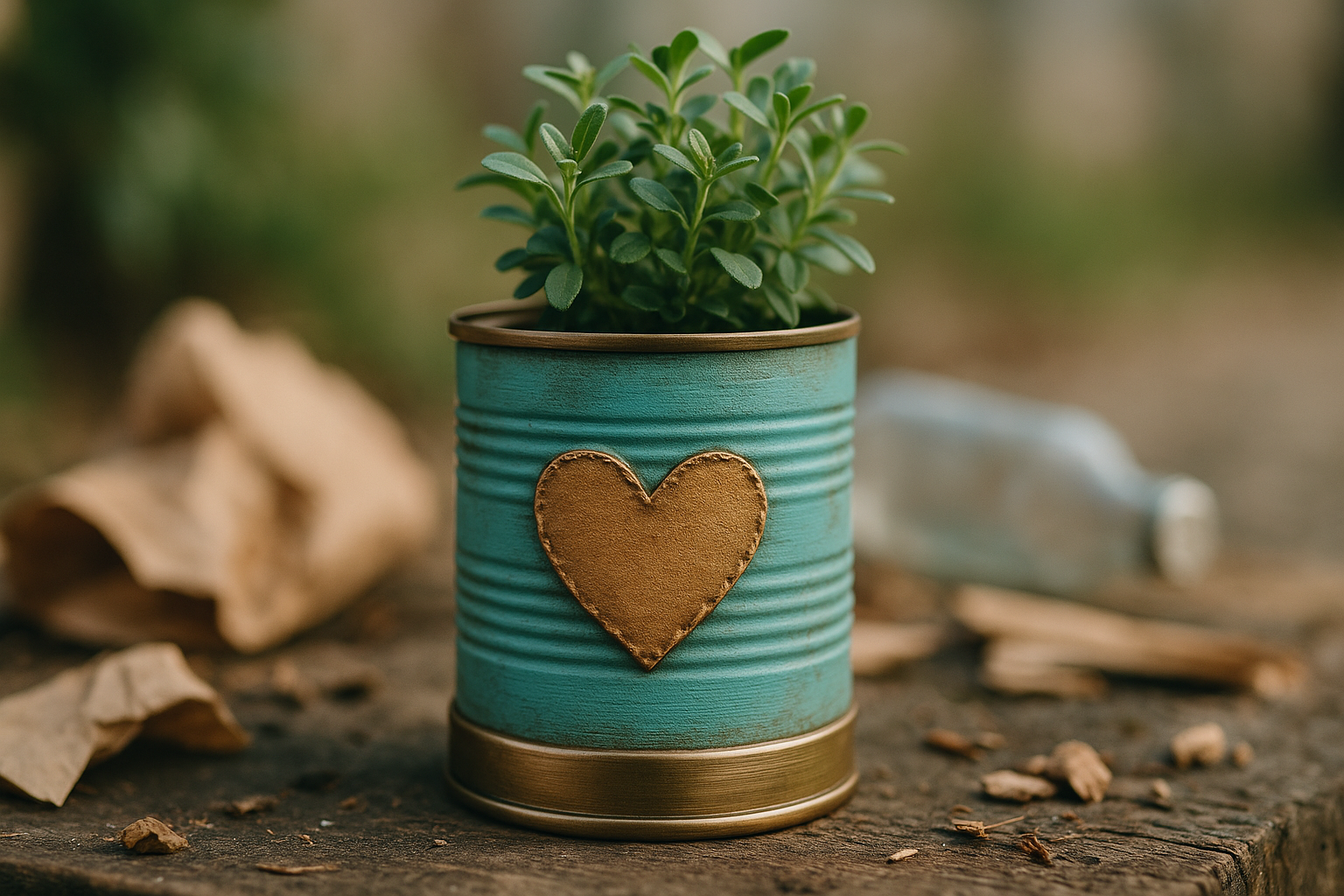
Perhaps no upcycling category offers more creative freedom than repurposed planters. Virtually any container that holds soil can become a planter with proper drainage holes. Vintage teapots, worn boots, cracked ceramic bowls, old toolboxes, even damaged brass instruments – all make charming homes for plants. This approach solves two problems simultaneously: it diverts items from landfills while eliminating the need to purchase expensive planters.
The practicality of upcycled planters extends beyond aesthetics. Many modern planters are made from plastic that degrades in UV light or terracotta that cracks in freeze-thaw cycles. Repurposed metal containers, wooden crates, and ceramic vessels often outlast their purpose-built counterparts. A galvanized metal washtub will hold up to weather indefinitely. An antique crock provides superior insulation for plant roots compared to thin plastic pots.
Creating successful upcycled planters requires attention to drainage and plant needs. Drill drainage holes in any non-porous container (metal, ceramic, sealed wood) to prevent root rot. Add a layer of gravel or broken pottery shards at the bottom to improve drainage further. Consider the container’s size and depth relative to your plant’s root system. Shallow containers work beautifully for succulents and herbs, while deeper vessels suit tomatoes and perennials. Match container to plant, and you’ll create thriving gardens in the most unexpected vessels.
Lighting Fixtures: Illuminating Creativity
Light fixtures command premium prices at home stores, making them ideal upcycling targets. The basic components – a socket, cord, and bulb – cost just a few dollars at hardware stores. Everything else is pure creative opportunity. Industrial colanders become pendant lights that cast beautiful shadow patterns. Vintage glass bottles transform into elegant hanging fixtures. Wire baskets, old instruments, even repurposed metal funnels can become stunning light sources that define a room’s character.
Safety considerations matter critically with lighting projects. If you’re uncomfortable with basic electrical work, stick to plug-in fixtures rather than hardwired installations, or hire a licensed electrician for the wiring portion after you’ve created the fixture body. Use LED bulbs that generate minimal heat, especially in enclosed or flammable fixtures. Ensure any metal components are properly grounded. The goal is creating something beautiful and unique, not creating fire hazards.
The impact of a custom upcycled light fixture exceeds almost any other decor element. Lighting draws the eye naturally and sets the entire atmosphere of a space. When that focal point is a one-of-a-kind creation that reflects your style and ingenuity, it transforms ordinary rooms into spaces with genuine personality. For ideas on incorporating these pieces into a cohesive design scheme, exploring creative upcycling tips can help you develop a signature style.
Textile Transformation: Beyond Throw Pillows
Old textiles – worn jeans, dated curtains, vintage tablecloths, outgrown clothing – accumulate in most households. These fabric treasures offer incredible upcycling potential beyond the obvious throw pillow. Denim jeans become durable storage baskets or upholstery for ottomans. Wool sweaters felt into cozy trivets or unique wall hangings. Vintage curtains transform into reusable shopping bags with character that store-bought versions can’t match.
The quilting community has long understood textile upcycling, creating stunning bedcovers from fabric scraps and worn clothing that carry family memories. You don’t need quilting expertise to apply similar principles. Simple patchwork techniques create table runners, placemats, or decorative wall panels. Even basic sewing skills suffice for many textile upcycling projects, and no-sew options using fabric glue or iron-on adhesives expand possibilities for those who don’t sew.
Consider the emotional dimension of textile upcycling. That shirt your grandmother wore, the baby blanket your children outgrew, the concert t-shirts collecting dust in drawers – these items carry memories that make discarding them difficult. Transforming them into functional items you use daily honors those memories while creating space in closets and drawers. A memory quilt, a decorative pillow made from meaningful fabrics, or a tote bag crafted from a beloved garment keeps those connections alive in useful ways.
Organization and Storage: Functional Upcycling
Storage solutions represent some of the most satisfying upcycling projects because they solve practical problems while reducing waste. Mason jars organize craft supplies, spices, or bathroom essentials while looking infinitely better than plastic containers. Vintage suitcases stack into quirky storage that doubles as decor. Old ladders lean against walls as blanket storage or display spaces for plants and photos. Wooden crates mount on walls as shelving or cluster on floors as modular storage systems.
Kitchen organization particularly benefits from upcycling approaches. Magnetic strips mounted on walls hold knives repurposed from old metal rulers or vintage yardsticks. Tension rods and shower curtain hooks inside cabinets create pan lid organization. Old loaf pans slide into drawers as custom dividers for utensils. These solutions often work better than expensive organizing systems because you customize them precisely to your needs and space constraints.
Office and craft supply organization follows similar principles. Tin cans wrapped in decorative paper or fabric become desk organizers. Old filing cabinet drawers mount on walls as industrial-chic shelving. Vintage printers’ trays display and organize small collectibles. The organizational possibilities multiply exponentially when you view storage through an upcycling lens, seeing potential containers everywhere rather than feeling limited to purpose-made organizing products.
Taking Your Upcycling Further
Once you’ve completed a few successful projects, upcycling often evolves from occasional hobby to ongoing creative practice. You’ll find yourself scanning curbsides on trash day, browsing thrift stores with new purpose, and mentally redesigning items before they even hit your workshop. This shift in perspective represents the true magic of upcycling – it changes how you see the material world around you.
Consider joining local upcycling groups or online communities where enthusiasts share ideas, techniques, and materials. Many cities host swap events where people trade items perfect for upcycling. These connections expand your resource network while surrounding you with people who understand the thrill of transforming “trash” into treasure. The knowledge sharing in these communities accelerates your learning curve dramatically.
As your skills develop, you might even discover income potential in upcycling. Platforms like Etsy, local craft fairs, and consignment shops provide markets for well-executed upcycled pieces. What started as a way to save money and reduce waste could evolve into a side business or even full-time venture. Countless successful businesses have launched on the foundation of transforming discarded materials into desirable products.
The upcycling journey ultimately teaches lessons that extend far beyond crafting skills. It challenges the assumption that newer equals better, demonstrates that creativity can solve problems once addressed only by spending money, and proves that individual actions genuinely impact environmental outcomes. Every item you transform represents resources saved, landfill space preserved, and proof that with imagination and effort, trash truly can become treasure. Start small, experiment boldly, and watch as discarded objects reveal possibilities you never imagined possible.

Leave a Reply