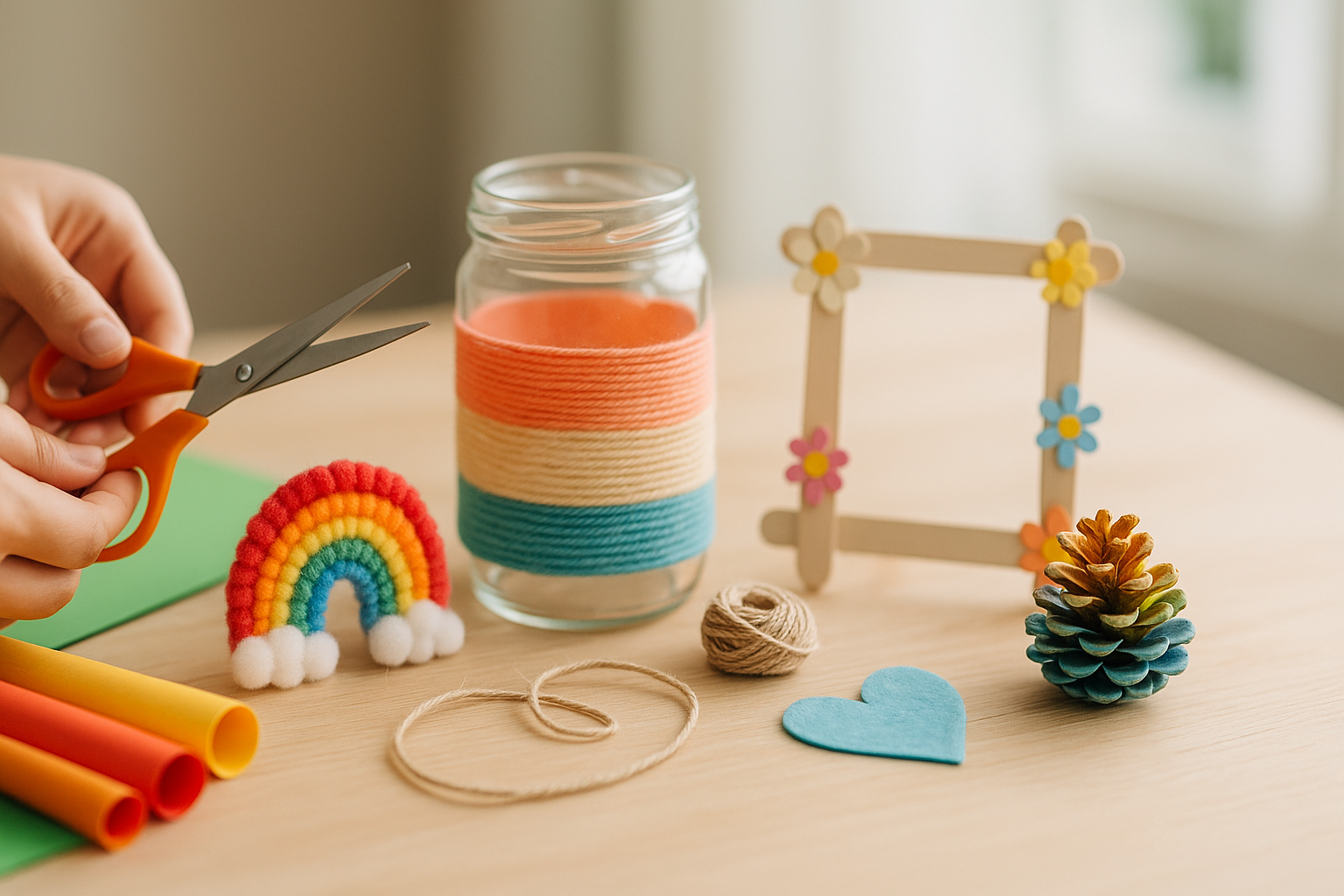
Your living room could use a refresh, but the thought of a major renovation makes your wallet hurt. Here’s the reality: transforming your space doesn’t require a massive time investment or a home improvement budget. Some of the most satisfying DIY projects take less time than your average Netflix episode and use materials you probably already have at home.
These ten quick crafts prove that creativity and impact have nothing to do with hours spent. Whether you’re looking to add personality to bare walls, organize cluttered spaces, or simply try something new with your hands, each project delivers visible results in under 30 minutes. No special skills required, just a willingness to make something with your own two hands.
Why Quick Crafts Matter More Than You Think
The beauty of short-timeframe projects goes beyond the finished product. When you complete something tangible in less than half an hour, you experience an immediate sense of accomplishment that longer projects can’t match. That quick win often sparks motivation for bigger creative endeavors down the line.
Quick crafts also remove the biggest barrier to DIY: the fear of commitment. You’re not investing an entire weekend or buying expensive supplies for a project that might not work out. If you only have 20 minutes and a few basic materials, the risk feels manageable. This lower barrier means you’re more likely to actually start instead of just pinning ideas to a board and forgetting about them.
For those exploring creative outlets, these fast projects offer a low-pressure way to experiment with different techniques and styles. Similar to how building new habits starts with small, achievable actions, quick crafts build your creative confidence one simple project at a time.
Mason Jar Herb Garden
Transform ordinary mason jars into a charming indoor herb garden in about 25 minutes. Paint the jars with chalk paint in coordinating colors, letting each coat dry for just 5 minutes. While the paint sets, fill the jars with potting soil and transplant small herb seedlings or cuttings from existing plants.
Label each jar with the herb name using a chalk marker or small adhesive labels. Line them up on your kitchen windowsill for both decoration and function. You’ll have fresh basil, parsley, or mint within arm’s reach while cooking, and the painted jars add a pop of color to your kitchen.
This project works especially well if you choose a color scheme that complements your existing kitchen decor. Soft pastels create a farmhouse feel, while bold jewel tones make a modern statement. The best part? Herbs are forgiving plants that thrive in jars with proper drainage holes punched in the bottom.
Materials You’ll Need
- 3-4 mason jars (any size)
- Chalk paint in your chosen colors
- Small paintbrush
- Potting soil
- Herb seedlings or cuttings
- Labels or chalk marker
Rope-Wrapped Storage Basket
Give a basic plastic container a high-end look by wrapping it in natural rope. Start at the bottom of any cylindrical container, applying hot glue in small sections as you spiral the rope around and upward. Keep the rope tight against itself to avoid gaps, and work quickly before the glue cools.
This technique transforms dollar-store bins into attractive storage that looks like it came from an expensive home goods boutique. Use the finished baskets to corral bathroom toiletries, desk supplies, or entryway clutter. The neutral rope texture works with virtually any decorating style, from coastal to minimalist.
For added interest, try using colored rope for the top few rows or weave in a contrasting color every third row. The project takes roughly 20 minutes for a medium-sized container, and the textured result adds warmth to spaces that feel too sleek or cold.
Photo Display Clipboard Wall
Create an ever-changing gallery wall using inexpensive clipboards as frames. Paint 5-7 clipboards in complementary colors or finishes, then arrange them on your wall in a pleasing pattern. Hang each clipboard using a small nail or command strip, ensuring they’re level and evenly spaced.
The genius of this system is its flexibility. Swap out photos, artwork, inspiring quotes, or even your kids’ latest creations whenever the mood strikes. No need to deal with frames, mats, or glass. Just clip in whatever makes you happy that week.
This approach solves the common problem of commitment-phobic decorators who struggle to choose permanent art. You get the visual impact of a filled wall without the pressure of selecting pieces you’ll live with forever. Plus, the clipboard clips add an intentional, design-forward element that plain frames lack.
Succulent Terrarium in a Glass Container
Build a miniature desert landscape in 15 minutes using a glass bowl or jar. Layer small pebbles at the bottom for drainage, add activated charcoal to keep everything fresh, then top with cactus soil. Nestle small succulents into the soil, arranging them at varying heights for visual interest.
Finish your terrarium with decorative elements like colored sand, small stones, or tiny figurines that match your personality. The closed ecosystem requires minimal watering (once every 2-3 weeks), making it perfect for people who love greenery but struggle to keep plants alive.
Glass terrariums catch light beautifully and create focal points on coffee tables, desks, or shelves. The transparent container lets you see all the layers you’ve created, adding depth and texture that solid planters can’t match. Choose succulents in different colors and textures for maximum impact.
Pro Tips for Terrarium Success
- Use a turkey baster for precise watering without overflowing
- Choose succulents with similar light and water needs
- Place terrariums in bright, indirect light for best growth
- Rotate the container quarterly so all sides get even light exposure
Washi Tape Light Switch Plates
Turn boring builder-grade light switch plates into custom art pieces using washi tape. Remove the plates from your walls (takes 2 minutes with a screwdriver), then cover them with overlapping strips of patterned washi tape in your chosen design. Geometric patterns work especially well, creating the look of expensive tile or wallpaper.
Trim excess tape with scissors or a craft knife, cutting carefully around the switch opening. Use your fingernail to burnish the tape edges down firmly so they don’t peel up over time. The entire transformation takes about 10 minutes per plate and costs just a few dollars in tape.
This technique lets you introduce bold patterns or colors in small doses without overwhelming a room. Try metallic washi tape for a glam look, or use tape that coordinates with your throw pillows to tie the room together. When you’re ready for a change, the tape peels off cleanly without damaging the plate underneath.
Floating Rope Shelf
Create the illusion of a floating shelf using a wooden board and sturdy rope. Drill holes in each corner of a wooden plank (pre-cut sizes from hardware stores work perfectly). Thread rope through the holes, knotting underneath to secure the board. Hang from a ceiling hook or sturdy wall bracket.
This suspended shelf adds visual interest because it breaks up the usual horizontal line of traditional shelving. The rope adds texture and a slightly bohemian vibe that softens modern spaces. Use it to display small plants, books stood on their ends, or decorative objects.
The project requires minimal tools and takes about 25 minutes from start to finish. Adjust the rope length to hang the shelf at whatever height works best for your space. Multiple shelves hung at staggered heights create an even more dynamic look that draws the eye upward and makes rooms feel taller.
Fabric-Covered Cork Board
Upgrade a plain cork board into designer territory by wrapping it in attractive fabric. Choose fabric that complements your room’s color scheme, cut it 2 inches larger than the cork board on all sides, then pull it taut across the front and staple or hot glue it to the back.
The fabric surface still accepts push pins for hanging notes, photos, and reminders, but looks infinitely more polished than naked cork. This 15-minute project turns a purely functional item into something you’ll actually want to display prominently in your home office or kitchen.
For extra organization, add ribbons in a crisscross pattern across the fabric surface before securing it to the board. Tuck notes and photos under the ribbon intersections for a vision board effect that keeps everything visible without a cluttered appearance. The combination of fabric pattern and ribbon color gives you endless customization options.
Painted Terra Cotta Pots
Standard terra cotta pots cost next to nothing but look generic and boring. Spend 20 minutes transforming them with paint patterns that reflect your style. Geometric color blocking, ombre effects, or simple band patterns around the rim all create high-impact results.
Use acrylic craft paint for bright, opaque coverage, or dilute it slightly for a watercolor effect that lets the terra cotta show through. Seal painted pots with a clear acrylic sealer to protect your design from moisture and wear. Let each pot dry completely before planting.
Grouped together, a collection of painted pots in coordinating colors creates instant visual cohesion on a porch, patio, or windowsill. Even if you’re using mismatched plants inside them, the unified pot design ties everything together. This project offers creative freedom because there’s no wrong way to paint them. If you don’t love the result, paint over it and try again.
Quick Wall Art from Fabric Scraps
Turn fabric remnants into framed art by stretching interesting textiles over foam board or canvas. Cut fabric slightly larger than your base, wrap it around to the back, and secure with hot glue or staples. The finished piece can lean against a wall on a shelf or hang in a simple frame.
This technique works beautifully with vintage scarves, interesting dish towels, fabric samples, or even bandanas. The key is choosing fabric with a bold pattern or beautiful texture that reads well from a distance. Grouped in odd numbers (3, 5, or 7), these fabric panels create the look of expensive textile art.
The entire process takes about 10 minutes per panel, making it perfect for filling large wall spaces quickly and affordably. When you tire of the look, simply swap in new fabric. The foam board backing is reusable indefinitely, so you’re only replacing inexpensive fabric each time you want a refresh.
Making It Happen in Your Home
The difference between people who have creative, personalized spaces and those who don’t isn’t talent or budget. It’s the willingness to start small and actually complete projects instead of endlessly planning them. These ten crafts prove that making something with your hands doesn’t require clearing your schedule or acquiring new skills.
Start with whichever project speaks to you most strongly or addresses your biggest decorating pain point. That bare wall that’s been bothering you? The clipboard gallery takes 30 minutes. Need better organization? Rope-wrapped baskets solve that problem before your lunch break ends. Each completed project builds momentum for the next, and before you know it, your space reflects your personality instead of the builder’s basic choices.
The goal isn’t perfection. It’s creating a home that feels like yours, one quick project at a time. Grab your glue gun and pick something to make today. For more inspiration on transforming your space affordably, check out our guide to simple DIY projects that make a big impact. If you’re looking for additional quick craft ideas to expand your repertoire, explore these easy craft ideas you can complete in 30 minutes or less. You might also find inspiration in this collection of quick crafts perfect for beginners, or if you’re interested in creating items you could potentially sell, this guide to crafts you can make and sell quickly offers practical ideas. Your more personalized, more interesting home is just 30 minutes away.

Leave a Reply